Tuesday, November 12, 2019

Writing

Engaging in Good Writing

Related image
The New Desire for Calligraphy. https://www.graf-von-faber-castell.com.hk/art-of-fine-writing/tamitio-calligraphy Accessed on Nov. 12/19.

Writing is a form of communication. We write on so many mediums, whether it be on a blog, pen and
paper, through emails or even text messages. We have moved away from the letter-writing form of
communication and moved to technology-based writing and communication. However, to ensure that
we are communicating effectively, we must ensure that we are writing properly. 

When looking at writing, it is also essential to realize the connection between reading and writing.
Reading and writing are linked and reading can help to improve writing skills. Reading helps to
understand sentence structure, learn new words and recognize proper spelling. 
The first resource that I will be looking at is a blog called Langwitches. Specifically looking at new
forms of writing. This focuses on reading and writing in the online world. When it comes to writing
in the online world we must be careful. Often when writing on social media, it is informal. Leading to
a lack of punctuation and abbreviated texts. We use slang such as LOL (laugh out loud), brb (be right
back), u (you) and many more. These can be dangers in writing. However, there are also benefits to
online writing. For example through twitter. Twitter has a character limit of 280 characters per tweet.
This teaches writers a valuable skill, how to be concise with our words. There is nothing worse than
reading a five-page essay that just rambles on. It is important to learn how to be concise and make
your point. I had never thought of this idea before reading this blog, and I thought that it was a very
interest approach. By using Twitter in the classroom, we can ask students a question and get them to
answer it in a single tweet. This teaches students how to say more with less words. 
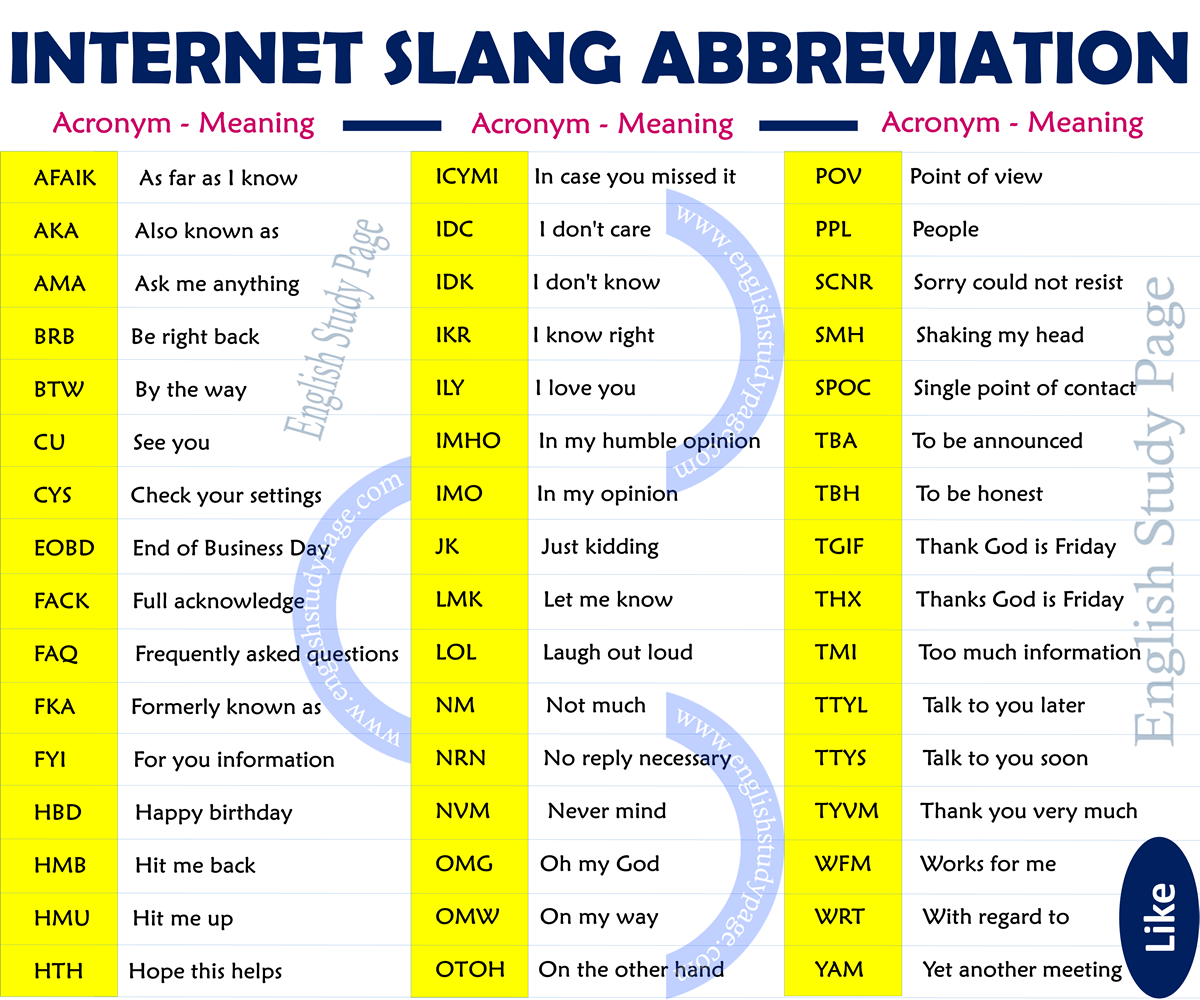
Image result for list of abbreviations word

English Study Page https://englishstudypage.com/grammar/internet-chat-slang-and-abbreviation-list/. Accessed on Nov. 12/19

From short and concise writing to essay writing is a big jump. However, writing essays is not always easy to do. This video is called 5 Tips to Improve Your Writing and is all about tips to improve your essay writing. It focuses on what to avoid while writing, passive vs active voices through writing and string verbs to use. I think that this video is very interesting because it focuses on the most common mistakes that are made while writing. It shows you what you should be doing while writing and what to avoid while writing as well. This video can either be used in the classroom or recreated within your own classroom. It is great because it has an audio aspect (the woman speaking) as well as a visual component (the woman writing on the board). This video is a great resource as it can easily be accessed at home, for students to have whenever they may find themselves writing.


The last resource that will be examined today is an article called Fostering “Good” Writers: Making Writing Meaningful by Gage Jeter. This article is about how to get students engaged in their writing to make it meaningful. “Students will likely embrace the idea of writing when it centers on relevant, meaningful topics that relate to their lives on a broader scale” (Jeter, 2016, p.64). This quote is extremely important and relevant when it comes to writing. If students are not interested in the topic, they will disengage and struggle to write. It is as simple as that. This resource is one to help teachers to better understand how to engage students in writing. Whether or not a student is engaged in their writing will make a huge difference in the quality of what they are writing. It is all about giving the students a choice, to a certain degree. When students are interested in the topic that they are writing about, the quality of their writing is much better. This article is not so much about teaching the basics of writing, but it is about teaching students to love writing.

Image result for writing
The Writing Cooperative. https://writingcooperative.com/18-motivational-quotes-to-bring-out-the-writer-in-you-ea3e61c93734. Accessed Nov 12/19.


Resources


Jeter, Gage. (2016). Fostering "Good" Writers: Making Writing Meaningful. 

Monday, October 28, 2019

Reading

When it comes to learning, reading is a fundamental principle that students must understand. If a student cannot read, that will not only set them back in literacy but in all other subject areas as well. Reading can essentially make or break a student’s academic career. 
Reading is a skill that students need to develop at a young age in order to be successful in all areas of life. This being said, reading development should not only be contained to the classroom. Reading should occur at home as well, to further develop reading skills. If a skill is not practiced, you cannot improve.
Image result for reading pictures

The 9 Reading Habits That Will Ensure Success For Your Child. https://www.inc.com/kevin-daum/the-9-reading-habits-that-will-ensure-success-for-your-child.html. Accessed Oct. 28, 2019.


There are so many resources that can help engage students in reading. One of the most important things to remember when it comes to student reading is that if they are not interested in the content, they will have a more difficult time with reading. 


PINTEREST
One resource that I find to be extremely helpful is Pinterest. This site is excellent because it gives you ideas for your classroom based on what others may have done. It also gives you access to many ideas, and most of them are DIY, which are quite fun to make. 
When it comes to reading, something to understand is that it goes hand in hand with reading comprehension. If you are able to read, that is great, but you cannot do anything with that information unless you understand what you are reading. Reading comprehension should be introduced at a young age so children understand that there is more to reading than the words.


Accessed Oct. 27, 2019 https://www.pinterest.ca/pin/842102830305825753/


I think that this particular resource is great. It is a step by step checklist to help student understanding. The checklist aspect is great because it allows students to see what needs to be done, step by step, and be accountable for accomplishing those tasks. This can be a prompt for verbal conversation after reading, or a prompt for a written response.


READING ROCKETS


This next resource focuses on struggling readers. As a future teacher, I know that I will have students in my classroom that will struggle with reading. I am already seeing this in my placement with a few of my students. Reading Rockets is a source to not only help teachers, but to help parents at home with their struggling reader. This resource discusses reading, reasons for struggling, early intervention, getting your child evaluated for a potential reading disability, such as dyslexia. This is a resource that better helps parents and teachers to understand reading and how to spot the signs of a struggling reader. This video talks about a struggling reader and the steps that have been taken in order to help her to become a successful reader.


Reading Rockets is a great resource because it allows parents to better understand their child and what their needs are. This is important so that children are getting the assistance that they need to be successful, both inside and outside of the classroom. 


HOMER READING


The last resource is something geared more towards students. Apps. Children love technology, so what is better than combining their learning with technology? This is something that will both keep students engaged and they will learn in the process. If you present learning through a game, children are more likely to want to engage in learning. This app, HOMER Reading: Learn to Read, is an app designed to help students with their reading. This app is great because it asks questions about the student beforehand so that it can customize reading content for the individual. The content is customized based on the interests of the child (sports, cars, nature etc) and their reading level. It asks if the student understands vowels, consonants, rhyming words, and other reading skills to determine the appropriate texts for them to read. This source is great because it is personalized to the individual.
Accessed on Oct. 27, 2019https://www.commonsense.org/education/app/homer-reading-learn-to-read


These resources are great for use in the classroom. They can help students that are struggling to read and help parents and teachers to catch reading struggles early on so that it does not set the child behind.


Sources

Monday, September 30, 2019

Media

MEDIA STRAND
With the reliance of media and technology in the everyday lives of individuals in our society,
it is so important, now more than ever to understand media. Teachers need to know how to teach their
students about media and everything it entails. It is so easy to believe everything you see or read on the
internet or tv. However, this can be dangerous, especially with all the fake news that is circulating.
An overall media expectation in the Ontario Curriculum is “demonstrate an understanding of a variety
of media texts” (p. 89). It is important for students to understand different media texts, the information
that is being given and the purpose of that specific text. 

There are so many resources to help both students and teachers to better understand media. 

IDENTIFYING FAKE NEWS
The Video Identifying "Fake" News | Common Sense Education is a great resource to use within the
classroom. It is a video, which is a source of media that students can learn to interpret and understand.
This video gives 5 ways to spot fake news online. These five steps are so simple to understand. I think
that this is a great resource because of its simplicity. It is under 2 minutes long, which means that you
can keep the attention of students. It uses visuals and examples for students to see how they can spot
fake news and it is engaging. This can easily be implemented within the classroom. This is great
because it is a video and not just the traditional teaching of a teacher standing up in front of the class
giving information. This video is also a great tool to use those 5 tips for spotting fake news. The tips in
the video can be used to analyze the site that the video was taken from, to see whether or not it is a
credible source. The information from this site can also be used in other activities. For example, giving
student article printouts, one from a fake news site and the other from a credible source, and have them
determine which is which, and ask for evidence as to why they have made those choices. This resource
connects to specific curriculum expectation 1.2 “use overt and implied messages to draw inferences and
construct meaning in media texts” (p.82). The messages from this text can help students to understand
how to make meaning from texts and how to understand the purpose of the content.


5 Ways to Spot Fake News. Common Sense Media. https://www.youtube.com/watch?v=g2AdkNH-kWA. October 2, 2019.

SWAY
The second resource is a website called Sway. This resource is all about fake news. It discusses what
it is, how it spreads and how to spot fake news. Sway is a compilation of text, visuals, and videos,
which is important to attract different types of learners. These aspects will make the resource very
impactful in the classroom. This source also has activities to help students to better understand and
identify fake news. There are screenshots of news headlines, which at first glance, look to be credible
sources. The activity is to analyze the sources and determine whether the news that you are given is real
news or fake news. This resource will allow students to see examples of fake news articles and well as
deepen their reading comprehension skills. It will allow students to not only read but try and understand
what they are reading, to know their validity. This connects to specific expectation 3.1 “describe in detail
the topic, purpose, and audience for media texts they plan to create” (p.90). Connecting the resource to
this expectation will allow students to understand the purpose of the fake news. Why did an individual
find it important to report this? What is the purpose of this misinformation? 

MEDIA SMARTS
The final resource is called Media Smarts. This is a resource that is more for teachers than students.
This resource will help teachers to get ideas for teaching about media literacy within their classroom.
This resource has suggestions for grades K-12 and covers a variety of topics. There are multiple
resources dedicated to the online world. These lesson plans and activities can be taken and used in a
classroom setting. For example, there is a lesson plan for Reality Check: Authentication and Citizenship.
This lesson plans helps to explain misinformation and the impacts that it has on society, with a focus on
politics. 

All of these resources are great ways to help teachers to teach about media in the classroom while
showing students real-life examples of the impacts that media has on society.

Sources

The Ontario Curriculum, Grades 1-8: Language, 2006. Ministry of Education and Training, 2006, Ontario Ministry of Education, http://www.edu.gov.on.ca/eng/curriculum/elementary/language18currb.pdf


Writing

Engaging in Good Writing The New Desire for Calligraphy. https://www.graf-von-faber-castell.com.hk/art-of-fine-writing/tamitio-calli...